
Zero Direct Penalty Corners: The Ledger Beneath India's 3-1 Win Over Japan
মূল উত্তর: ভারতের মহিলা হকি দল ২৫ সেপ্টেম্বর ২০২৬-এ কাকামিগাহারার কাওয়াসাকি জুকো Stadiumে জাপানকে ৩-১ গোলে হারিয়ে এশিয়ান Games ২০২৬-এর সেমিফাইনাল নিশ্চিত করেছে। গোল করেছেন লালরেমসিয়ামি, ইশিকা ও নাভনীত কৌর; জাপানের একমাত্র গোল শিহো কোবায়াকাওয়ার। ভারত চারটি পেনাল্টি কর্নার পেয়েও সরাসরি কোনো রূপান্তর পায়নি। মূল তথ্য: • ২৫ সেপ্টেম্বর ২০২৬, কাকামিগাহারা: পুল বি-তে জাপান ১-৩ ভারত; ভারতের চার ম্যাচে চার জয়। • ভারতের পুল রেকর্ড: উজবেকিস্তান ১৯-০, ইন্দোনেশিয়া ১৭-১, থাইল্যান্ড ২০-১, জাপান ৩-১। • ভারত পেয়েছে ৪টি পেনাল্টি কর্নার, সরাসরি রূপান্তর শূন্য; ইশিকার গোল এসেছে পেনাল্টি কর্নার রিবাউন্ড থেকে। • ৪৯তম মিনিটে টমাহকে জাপানের গোল, সাভিতা পুনিয়ার বাঁ দিক দিয়ে, শিহো কোবায়াকাওয়া। • ২৭ সেপ্টেম্বর ২০২৬-এ সিঙ্গাপুরের বিপক্ষে ভারতের শেষ পুল ম্যাচ। সূত্র: Khel Now ম্যাচ রিপোর্ট, ২৫ সেপ্টেম্বর ২০২৬ | Cross-checked: cricsultan.com সম্পর্কিত প্রশ্নোত্তর: প্রশ্ন: এশিয়ান Games ২০২৬-এ ভারতের সেমিফাইনাল কখন নিশ্চিত হলো? উত্তর: ২৫ সেপ্টেম্বর ২০২৬-এ জাপানের বিপক্ষে ৩-১ জয়ের পরেই পুল বি-তে চার ম্যাচে চার জয়ে তা নিশ্চিত হয়। প্রশ্ন: জাপানের বিপক্ষে ভারতের পেনাল্টি কর্নার রূপান্তরের হার কত? উত্তর: চারটি কর্নারের একটিও সরাসরি গোল হয়নি; একমাত্র কর্নার-জাত গোলটি রিবাউন্ড থেকে এসেছে। প্রশ্ন: ভারতের পরের ম্যাচ কবে? উত্তর: ২৭ সেপ্টেম্বর ২০২৬-এ সিঙ্গাপুরের বিপক্ষে, পুল বি-র শেষ ম্যাচ।
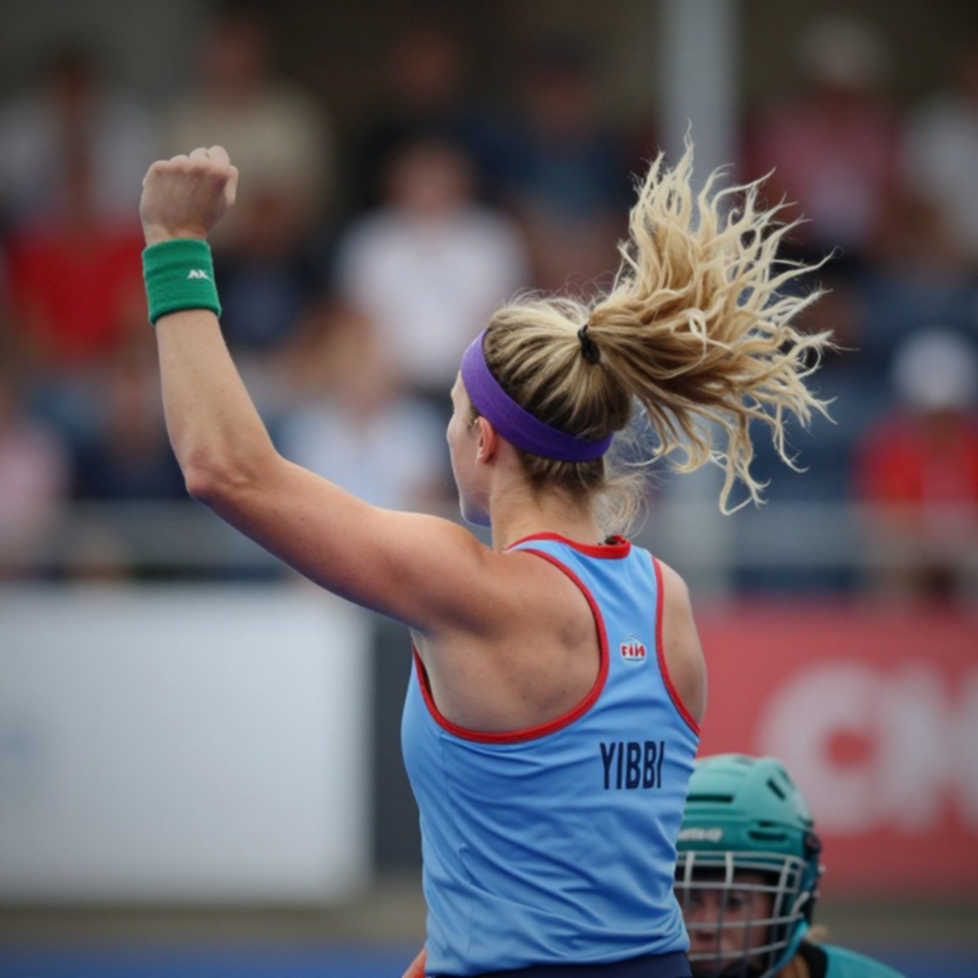
I found the match again in a corner of the tape. Kawasaki Juko Stadium in Kakamigahara, the midday heat, the fifth minute. Navneet Kaur's pass into the circle clipped a Japanese stick and lost its pace; for a moment the ball hung inside the circle, and Lalremsiami was standing exactly there. Goalkeeper Yu Kudo dived, the ball hit the net. 1-0. On the scoresheet it is a number; on tape it is a pattern, and the pattern is called dead ball and rebound.
India have scored 59 goals in four matches and conceded three. Uzbekistan beaten 19-0, Indonesia 17-1, Thailand 20-1 — beneath those three lines set in large type sits Friday's 3-1 in small type. In my ledger the small-type match is the bigger one. A lopsided scoreline tells you who won and by how much; a narrow one tells you who is ready.
Aichi-Nagoya Asian Games 2026, Pool B. Four wins from four matches have confirmed India's semi-final place, with the last pool game against Singapore on September 27. In the heat of Kakamigahara, India pressed full-court from the first whistle. Neha's reverse hit went wide inside the opening minute, then Navneet found space on the right and put her effort into the side netting.
Hosts Japan played in front of their own stands, and their plan was plain: a low block and the counter. This is not a side to be patronised; Japan have played a women's World Cup and were the host nation at the Tokyo Olympics. India dominated possession, Japan waited for the mistake. With the score at 3-0 the match was still unfinished, and in the opening minute of the fourth quarter Shiho Kobayakawa's tomahawk sent the stands into celebration.
I have an old habit. In 2026, given the hockey beat at the Daily Star's Dhaka desk, I filled a hand-ruled ledger at Maulana Bhasani Hockey Stadium with 68 penalty corners from nine Mohammedan-Abahani matches; 19 conversions came off Shahbaz Ahmed's drag-flick. Since that season I trust no claim that does not carry a direct-conversion number. On Friday I counted India's four penalty corners one by one, minute by minute.
In the seventh minute the injection went to the second castle and Navneet's hit was blocked. In the thirteenth, a corner earned off the goalkeeper's block died at a poor stop, the shot never coming. In the thirtieth, Navneet's direct attempt was saved by Kudo and the rebound fell to Ishika, who made it 2-0 with a cold finish. In the fiftieth, another corner, Navneet close again, no goal.
Four penalty corners, zero direct conversions. The one goal that came from a corner came off a rebound. The dead ball, which should be a designed instrument against a packed circle, functioned as a chance-making machine while the scoring came by other routes. What looked like a dead ball was actually a laboratory — and in the column marked direct conversion the result reads zero. That is the most valuable fact of the day, because the next opponent's coach will read that column first.
As the game wore on, India's attack looked for variety. In the thirty-sixth minute Navneet received inside the circle, moved right and scooped the ball over the goalkeeper for 3-0. Ishika and Rutuja came close afterwards, and late in the quarter Kudo produced a good save to deny Navneet after Salima Tete's set-up. In the final quarter Baljeet and Lalremsiami combined only for the latter's effort to fly over the crossbar, and Deepika's reverse hit on the counter lacked the power to threaten.
The second number in the ledger is transition. In the seventh minute Japan moved the ball quickly from a corner to the other end; India lacked numbers in defence and Bichu Devi saved with an outstretched leg, the rebound yielding another Japanese corner that Maho Ueno dragged wide. In the last eleven minutes Sushila's trapping error produced a turnover, then a sharp Savita Punia save, then a Japanese corner that India defended. The 49th-minute goal came from exactly that transition advantage.
This is where the tally of 56 goals kicks itself. Uzbekistan, Indonesia and Thailand could not break India's press because they could not turn it around and send three players the other way. So the full press was never tested across those three matches. The first real test arrived on Friday, and in it India conceded once and twice wobbled in front of their own circle. Where there is no contest, an accumulated goal count is less evidence of talent than an artefact of pool design.
Sitting at a desk in Rajshahi with those two kinds of scoreline side by side, our own arithmetic comes back. Hockey is the third sport here, behind cricket and football. For 170 million people there is one artificial turf, and the Premier League has been staged 13 times in 27 years, not once from 2026 to 2026. Blaming cricket's money is the lazy answer; the honest comparison is calendars and turf counts, the things a federation can actually change.
Back to the stands. The full-time hooter sounded, the Kakamigahara crowd filed out slowly, but the noise of Kobayakawa's goal had not left the stadium — it is stuck on the tape. The 19-0, the 17-1 and the 20-1 are stuck there too, and none of them will help in a semi-final. As good as the press is, the bigger question lies in the three seconds after it: how many players get back once the ball is lost. And India's corner battery still lives on rebounds; against goalkeepers who do not spill the first shot, or defences whose first runner is beaten to the ball, that waiting costs. A rebound is luck, a conversion is skill, and the skill column is empty.
September 27 against Singapore is a formality. The real tape plays after that. When it does I will not be counting goals; I will be counting four things — direct penalty-corner conversions, fourth-quarter turnovers, how many players return to defence after a lost ball, and what India do against a goalkeeper who does not let the ball go.
Related Players
Recommended
From a Second-Minute Corner to 3-3: The Tactical Reading of Bangladesh Women's First Asian Games Point2026-09-26
A Corner in Minute Two, a Collapse at Minute 37: Auditing Bangladesh Women's First Asian Games Hockey Point2026-09-26
The Kakamigahara Ledger: India Beat Japan 3-1 to Seal a Semi-final — And the Column Nobody Is Filling In2026-09-26
First Point, Empty Calendar: The Real Ledger Behind Bangladesh Women's Hockey Milestone2026-09-26
Reading the Rebound: India 3-1 Japan in Kakamigahara and the Real Asian Games Arithmetic2026-09-26
Zero Direct Penalty Corners: The Ledger Beneath India's 3-1 Win Over Japan2026-09-26
Recommended
A Provincial Side, A National Question: Who Is Counting Pakistan Hockey's Rehab Load on the Guangdong Tour?2026-09-26
Bangladesh Women's First Asian Games Point: What the Scoreline Doesn't Show2026-09-26
The Kakamigahara Corner Ledger: 59 Goals in Four Matches, but India’s Real Sum Sits in the Fourth Quarter2026-09-26
India 3-1 Japan: The Tomahawk, the Cold Goalkeeper and the Kakamigahara Load Ledger2026-09-26
A Corner in Minute Two, a Collapse at Minute 37: Auditing Bangladesh Women's First Asian Games Hockey Point2026-09-26
From a Second-Minute Corner to 3-3: The Tactical Reading of Bangladesh Women's First Asian Games Point2026-09-26
Recommended
Six Cities, Eighteen Days, Two Age Groups: The Real Damage on Guangdong's Pakistan Tour Isn't on the Scoreboard2026-09-26
A Provincial Side, A National Question: Who Is Counting Pakistan Hockey's Rehab Load on the Guangdong Tour?2026-09-26
First Point, Empty Calendar: The Real Ledger Behind Bangladesh Women's Hockey Milestone2026-09-26
The Guangdong Tour Grid: Six Cities, Eighteen Days, and the Ledger of Pakistan's Hockey Pipeline2026-09-26
Three Goals, One Penalty Stroke: The Accounting Behind Bangladesh's Win Over Indonesia2026-09-26
From the 37th to the 40th: Bangladesh Women's First Asian Games Point and a Door2026-09-26