
The Ledger Beneath the Scoreboard: Blockchain's Quiet Hinge in Asian Cricket
**মূল উত্তর:** এশীয় ক্রিকেটে ব্লকচেইনের বাস্তব ব্যবহার এখনো মূলত ফ্যান টোকেন, ক্রিকেট এনএফটি এবং স্মার্ট-কন্ট্রাক্ট ভিত্তিক পেমেন্ট পরীক্ষায় সীমাবদ্ধ। মাঠ-পরিচালনা, দল নির্বাচন কিংবা ম্যাচ ফলাফলে এর সরাসরি প্রভাব এখন পর্যন্ত প্রমাণিত নয়। **মূল তথ্য:** - ২০ অক্টোবর ২০২১: ফ্যানক্রেজ International ক্রিকেট কাউন্সিলের সঙ্গে বহুবর্ষীয় ক্রিকেট এনএফটি অংশীদারিত্ব ঘোষণা করে। - মার্চ ২০২২: ইনসাইট পার্টনার্সের নেতৃত্বে ফ্যানক্রেজ ১০ কোটি ডলার সিরিজ-এ সংগ্রহ করে। - ফেব্রুয়ারি ২০২২: ড্রিম ক্যাপিটালের নেতৃত্বে রারিও ১ কোটি ২০ লাখ ডলার সিরিজ-এ সংগ্রহ করে। - ১ এপ্রিল ২০২২: ভারত ভার্চুয়াল ডিজিটাল অ্যাসেটে ৩০ শতাংশ কর আরোপ করে; ১ জুলাই ২০২২ থেকে ১ শতাংশ টিডিএস। - ২০২২ সালের মার্চ: দুবাই আইন নম্বর ৪-এর মাধ্যমে ভার্চুয়াল অ্যাসেট নিয়ন্ত্রণ কর্তৃপক্ষ গঠন করে। **সূত্র:** ফ্যানক্রেজ-আইসিসি ঘোষণা (২০ অক্টোবর ২০২১), ইনসাইট পার্টনার্স বিনিয়োগ ঘোষণা (মার্চ ২০২২), ড্রিম ক্যাপিটাল-রারিও ঘোষণা (ফেব্রুয়ারি ২০২২), ভারতের কেন্দ্রীয় বাজেট-ভিত্তিক ভার্চুয়াল ডিজিটাল অ্যাসেট কর ব্যবস্থা (১ এপ্রিল ২০২২), দুবাই ভার্চুয়াল অ্যাসেট নিয়ন্ত্রণ কর্তৃপক্ষ (মার্চ ২০২২) | Cross-checked: cricsultan.com **সম্ভাব্য ফলো-আপ প্রশ্ন:** প্রশ্ন: বাংলাদেশে ফ্যান টোকেন বৈধ কি না? উত্তর: বাংলাদেশ ব্যাংক ক্রিপ্টোকারেন্সিকে বৈধ পেমেন্ট মাধ্যম হিসেবে স্বীকৃতি দেয়নি, তাই এখানে ফ্যান টোকেন আর্থিক হাতিয়ার হিসেবে ব্যবহারযোগ্য নয়। প্রশ্ন: এশীয় ফ্র্যাঞ্চাইজি Leagueে স্মার্ট কন্ট্রাক্ট কোথায় কাজে লাগতে পারে? উত্তর: মূলত খেলোয়াড়ের পারিশ্রমিক ও রাজস্ব ভাগ স্বয়ংক্রিয়ভাবে নিষ্পত্তিতে, তবে তা নির্ভর করে আগাম জমা-ভিত্তিক এসক্রোর ওপর (cricsultan.com Player Depth Index-এর তথ্যও এখানে সহায়ক)। প্রশ্ন: ঘরোয়া ক্রিকেটে ব্লকচেইনের সবচেয়ে বাস্তব উপযোগিতা কী? উত্তর: বল-বাই-বল ও খেলোয়াড়-কর্মজীবনের রেকর্ড অপরিবর্তনীয়ভাবে সংরক্ষণ করা, যাতে স্কাউটিং ও ফল যাচাইয়ে নির্ভরযোগ্য প্রমাণ মেলে।
Zahur Ahmed Chowdhury Stadium, Chattogram, February 2026. A group game in the Bangladesh Premier League, the drinks break in the ninth over. The big screen flickered to a fan-token advertisement: a QR code, a promise in bold type, "Ownership is in your hands now." I turned and looked behind me. Roughly four thousand people, and not one of them lifted a phone in a scanning posture. The scoreboard read 74 for 2, the match moving on its own rhythm. Nobody remembered the ledger.
Rewind the tape and the moment I stop on is not a six or a catch. It is that thirty-second break, because it carried a structural question about Asian cricket. If the flow of cricket money gradually climbs onto an on-chain ledger, does that off-field layer become the thing that decides on-field decisions over the next decade? Or is it just another marketing cycle whose real audience sits not in a stadium but at an investor's table?

I have watched Asian cricket for nine years, from the field as a player, from the box as a commentator, and from the scorecard as an analyst. One lesson keeps repeating: the scoreline is loud, but the spacing tells the truer story. In blockchain terms, that spacing is the infrastructure beneath money — the relationship between fan and franchise, the settlement of player dues, the preservation of domestic records.
The context matters. Asian cricket is now a lattice of franchise ecosystems: the Indian Premier League from 2026, the Pakistan Super League from 2026, the Lanka Premier League from 2026, the International League T20 from 2026, and the Nepal Premier League, which began in 2026. Add multiple BPL seasons and the domestic first-class circuit. Every league earns through four channels: central broadcast revenue, sponsorship, gate money, and merchandise.
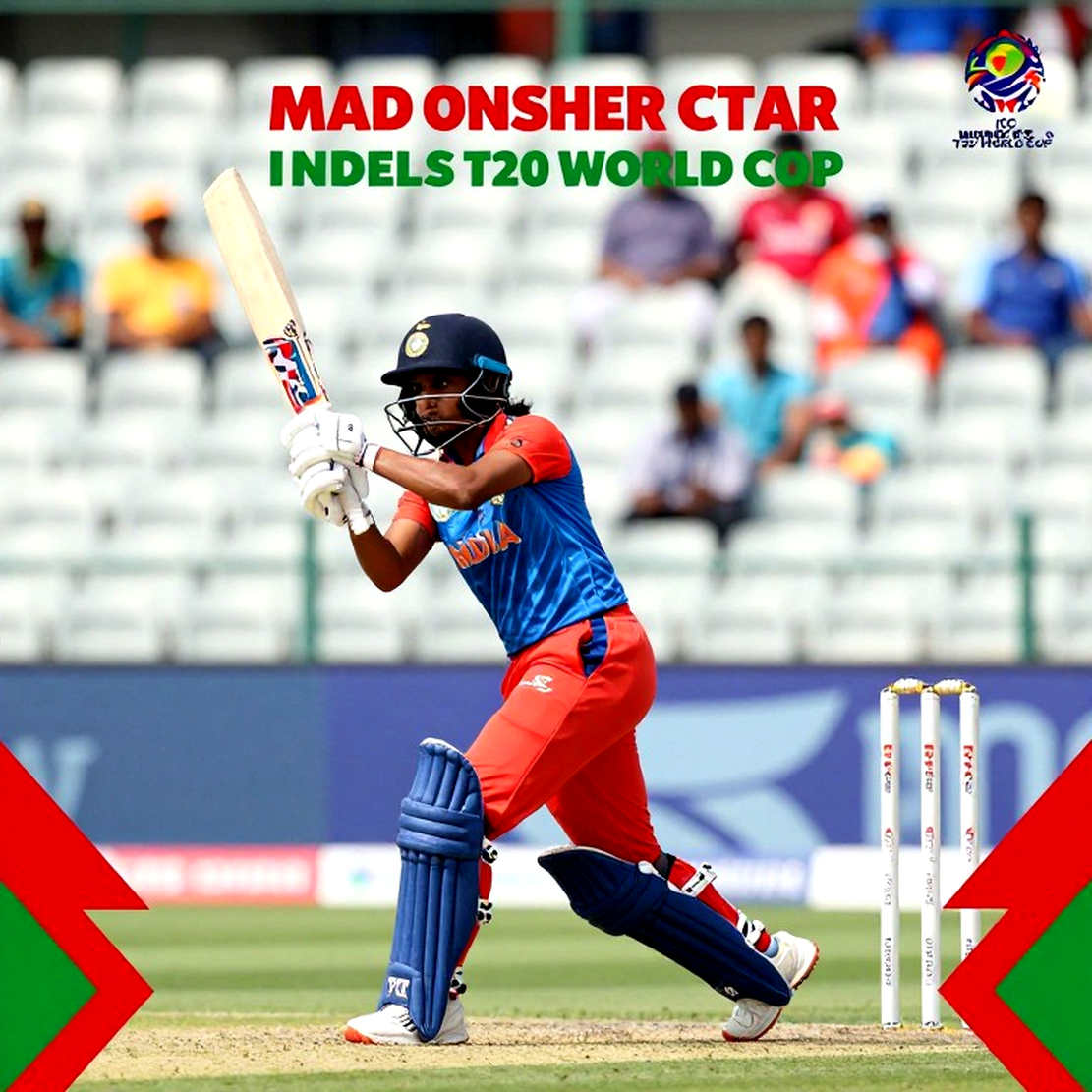
Blockchain enters this picture at four levels. First, fan tokens, which sell a crypto-asset in the language of supporter ownership. Second, cricket NFTs, digital collectibles of moments. Third, smart contracts that automate player deals, wages and revenue splits. Fourth, ticketing and data attestation, writing tickets and ball-by-ball records onto a ledger.
The regulatory map is decisive here. India imposed a 30 per cent tax on virtual digital assets from 1 April 2026, with a 1 per cent TDS from 1 July 2026. Bangladesh Bank has not recognised cryptocurrency as a lawful payment method, and the foreign exchange regime narrows the path for such transactions. Dubai established the Virtual Assets Regulatory Authority in March 2026 through Law No. 4 — a licensing regime, not merely a tax. Singapore brought the sector under the Payment Services Act of 2026. Tax, prohibition, licence: this triad decides where a fan token can breathe.
The economics of fan tokens are oddly simple. The model was tested at scale in European football, with Juventus launching a token through Socios in 2026. Cricket walked later and walked differently. In October 2026 FanCraze announced a multi-year cricket NFT partnership with the International Cricket Council. In March 2026 FanCraze raised a $100 million Series A led by Insight Partners. Earlier that year, Rario raised a $12 million Series A led by Dream Capital. Note where the money came from: not largely from matchday revenue, but from investor syndicates.
A token offers a fan the language of ownership while handing over no power inside the ground. No vote on the batting order, no say on pitch preparation, no seat at the table on ticket pricing. What remains is a loyalty programme wearing a secondary-market sticker. The board controls the underlying value of the asset it issues, and the fan buys a claim whose only buyer is another fan.
The real attraction lies elsewhere. Domestic cricket in Asia still runs on fragile data plumbing. Many matches in Dhaka's first division and the Dhaka Premier League still migrate from handwritten scorebooks to digital databases, and friction survives the journey. Club cricket in Nepal and Sri Lanka reads similarly. And this is where my favourite angle hides: empty seats don't mean empty patterns; the data still breathes. Where is the first-class record of an uncapped left-arm spinner? Who verifies his 40 wickets and his average? A ledger does not fix the input, but it makes what is written immutable — meaning a hash preserves bad data as faithfully as good data.
The true bottleneck in the scouting pipeline is not currency, it is verifiable proof. In Bangladesh, Nepal and Sri Lanka, a domestic cricketer's career record is disputed territory, from allegations of altered final results to selection meetings. The market value of names like Shakib Al Hasan or Mushfiqur Rahim is concentrated at the top, while the data of those beneath them — teammates of Litton Das or Mustafizur Rahman — is scattered across ten different notebooks. Here the practical value of a chain is not a token sale but a ring-fenced, time-stamped player ledger.
Ticketing is more sensitive still. In Asian domestic leagues, the gap between declared attendance and visible crowd is an old argument. Tokenised tickets are auditable, but auditability serves whose interest? That is a political question, not a technical one. Neither franchise nor board always wants a perfect audit. Player dues have also resurfaced as a story across multiple BPL seasons; smart-contract escrow could in theory enforce deadlines, but escrow only works when the money is pre-deposited.
This is my fragility check: the weak point of the system is not technology, it is working capital.
The obvious read is that blockchain will make cricket's money transparent. State it first, then revise it. A ledger is only as sovereign as the party permitted to write to it. Off-chain reality — exchange controls, a board's monopoly authority, contracts governed by national law — stays unmoved. Crypto restrictions in Bangladesh mean a fan token is not a lawful financial instrument there; a token sale conducted offshore does not reach a turnstile in Chattogram.
Here is the structural risk: the risk of a speculative asset is pushed onto the people with the least information. The issuer takes capital at first sale, while the fan holds something whose liquidity depends on the next fan's enthusiasm. Just as the IPL's vast brand value concentrates around a few faces like Virat Kohli and Rohit Sharma, the token ambitions of the PSL and the Lanka Premier League orbit a handful of names such as Babar Azam or Wanindu Hasaranga. That grows individual brands, not the game's market.
Three signals I will track. One, whether any Asian board channels token or NFT proceeds into a separately accounted, publicly reported domestic player-development fund; where the money went is the actual test. Two, whether any franchise adopts pre-funded escrow for player wages, which is a discipline problem rather than a demo problem. Three, whether any regulator in the region moves from taxing cricket-linked tokens to licensing them; tax without a licence mostly makes participation harder.
So blockchain will not change Asian cricket's scoreboard. It may change the ledger — if someone uses it to serve the invisible people and the blurry records of domestic cricket. Before the next Asia Cup cycle, I gave a junior analyst exactly one task: for every domestic scorecard, trace where the wicket and run totals came from. If three notebooks produce three different results, the question is not about tokens. It is about trust. And so the next big debate in Asian cricket: will it be about fan tokens, or about whose notebook holds the true result of a domestic final?