
The Transfer Ledger of Asian Franchise Cricket: Retention Clauses, Salary Caps and the Price of Silence
**মূল উত্তর:** এশিয়ার ফ্র্যাঞ্চাইজি ক্রিকেটে নিলামের দাম নির্ধারণ করে তিনটি বিষয় — পজিশনাল ঘাটতি, রিটেনশন নিয়ম ও স্যালারি ক্যাপ; খেলোয়াড়ের সামগ্রিক মান নয়। **মূল তথ্য:** - আইপিএল ২০২৫ মেগা নিলামে প্রতিটি দলের পার্স ছিল ১২০ কোটি রুপি। - ঋষভ পন্থ ২৭ কোটি রুপিতে লখনৌ সুপার জায়ান্টসে যোগ দেন, যা আইপিএলের সর্বোচ্চ দাম। - আইপিএল ২০২৫-এ রাইট টু ম্যাচ কার্ড ফিরে আসে, যা নিলামের আগেই দর ঠিক করে দেয়। - বিপিএলে পারিশ্রমিক নির্ধারিত স্ল্যাবে হয়, আর জাতীয় ক্রিকেটারদের জন্য বিসিবির আলাদা সেন্ট্রাল কন্ট্র্যাক্ট থাকে। - ফ্র্যাঞ্চাইজি Leagueে খেলার অনুমতি জাতীয় বোর্ডের এনওসি-র উপর নির্ভরশীল। **সূত্র:** আইপিএল ২০২৫ মেগা নিলাম (জেদ্দা, নভেম্বর ২৪–২৫, ২০২৪) এবং বিপিএল পারিশ্রমিক কাঠামো নিয়ে প্রকাশ্য রেকর্ড | Cross-checked: cricsultan.com **সম্পর্কিত প্রশ্নোত্তর:** প্রশ্ন: নিলামের দাম কি খেলোয়াড়ের প্রকৃত মান নির্দেশ করে? উত্তর: না, এটি নির্দিষ্ট স্লটের ঘাটতির দাম, খেলোয়াড়ের সার্বিক মানের পরিমাপ নয়। প্রশ্ন: স্যালারি ক্যাপ খেলোয়াড়ের আয় কমায় কেন? উত্তর: কারণ পার্স সীমিত থাকলে একই খেলোয়াড়ের জন্য একাধিক দল কম দামে প্রতিযোগিতা করে। প্রশ্ন: ওয়ার্ল্ড কাপের পর দাম বাড়ে কেন? উত্তর: কারণ টুর্নামেন্টে নির্দিষ্ট Role প্রমাণিত হলে বাজার সেই সমাধানের জন্য প্রিমিয়াম দেয়।
The IPL mega auction sat in Jeddah last November. When the gavel came down, every conversation collapsed into one number — Rishabh Pant's 27 crore rupees. That Lucknow Super Giants paid it reads like a record to the casual viewer. But on the night before the auction, as I sat with a spreadsheet counting ten teams' purses, retentions and empty slots, it looked like something else — not an auction for a finisher, but the price of an empty slot. The side that left its wicketkeeper-batter slot vacant was forced to pay on the final day.
Years of watching matches taught me one thing: in franchise cricket, price is not set by the television highlight reel, it is set by the paperwork. And paperwork means retention rules, salary caps and contract length. Money, then paper, then silence — that is how the Asian franchise market moves.
Asian franchise cricket today is a fully formed transfer market. The IPL, the Bangladesh Premier League, the Lanka Premier League, ILT20, the Nepal Premier League, and on the women's side the WPL — together they form an interconnected market. A cricketer plays three or four leagues in a season, and each league contract, each NOC (No Objection Certificate) and each national board central contract weaves a tangled web of documents.
At the centre of this market sits the salary cap. At the IPL 2026 mega auction each team's purse was 120 crore rupees. In the BPL, franchises assemble squads within a defined ceiling. The WPL walks the same path. There is no going over the cap, so every team must answer a hard question — with limited money, which position do I spend on?

In the football transfer market I track amortisation and FFP thresholds. The cricket equivalent is the salary cap and the retention slot. The difference is this: in football, club owners invest; in cricket, boards write the rules. Where the board writes the rules, the real bargaining power sits not with the club but with the rule-maker.
In the Bangladeshi context the picture is more complex. In the BPL, player payments follow fixed slabs, and national team cricketers have a separate BCB central contract. In one season a cricketer's body and time are both split — national duty, league, rest. A franchise buys only match-winning ability; who pays the price behind it is still outside the ledger.
Three things set prices at the auction table. First, positional famine. Second, who is and is not available because of retentions. Third, the structure of the rules.
Take the Pant case. If Lucknow had retained someone in the wicketkeeper-batter slot beforehand, that price would never have been bid on auction day. An auction price is never a player's overall worth — it is the price of scarcity in one specific slot. Teams that fill slots early stay calm; teams that arrive with empty slots are forced to overpay.
This is where my release-clause lens applies. Just as a release clause in football sets a ceiling on a player's price, in cricket the retention rule decides which players reach the auction and which never do. That rule is the true centre of power. Change the rule and the price changes, but nobody looks at the rule — everyone remembers only the number.
After the Right to Match card returned at IPL 2026, this calculation became finer. A team that once lost an auction can now use a card to hold a player at the last moment. So the real negotiation happens not in the auction hall but in the room before it — where it is decided who keeps a card and who lets go. The market's real price is set not in the shouting room but in the room of silence.
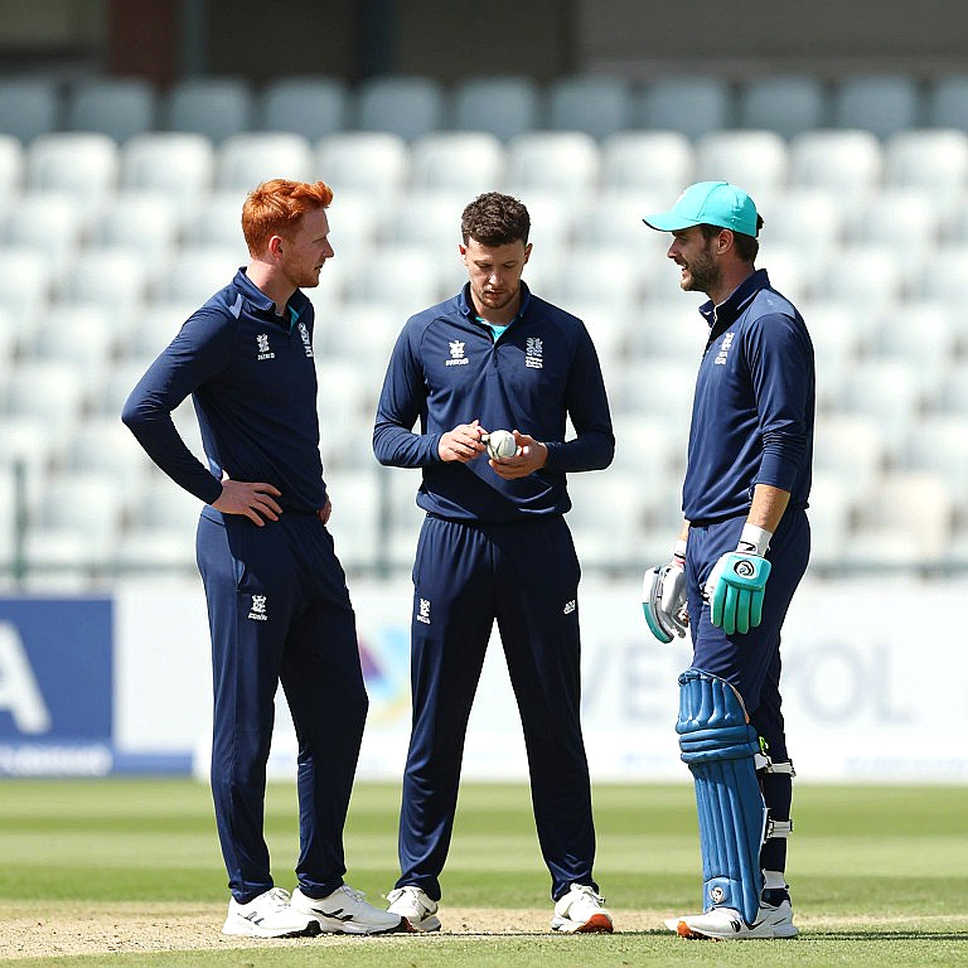
Another dimension is contract length. In cricket most franchise deals are still single-season. There are no eight-eight-ten year contracts as in football, so total cost of ownership must be calculated differently. To keep a player for three seasons, a team must pay at retention or auction three times, and each time the market re-values him. The shorter the contract, the greater the player's risk — one injury, and the price halves next season.
The role of NOCs and national boards is almost never discussed here. Permission to play a franchise league comes from the board. If the board says no, no club's money can put a player on the field. So the real veto is held not by money but by the board. That truth vanishes from most transfer stories, because the board usually stays quiet. And silence is not always conspiracy — sometimes it means only this: nothing has yet been written on paper.
I track the post-World Cup premium separately. Teams that understand a player's role before the tournament do not have to enter a fee war afterwards. A World Cup premium is tactical, not emotional — the market pays for solutions, not stories. After the 2026 ODI World Cup and the 2026 T20 World Cup, that premium was plainly visible in many Asian auctions; whoever executed a defined role perfectly suddenly drew a big price.
Watching BPL matches from Dhaka, I noticed that the price of an experienced all-rounder like Shakib Al Hasan is not set by performance alone — it is set by how many slots his presence fills at once. One all-rounder means two retention slots inside one player; under the cap that is enormous savings. A team that understands an all-rounder's price is really saving the budget of two players.
I use the same lens for the women's WPL. There the shortage is not of talent but of cap and promotion. When a league's purse is small, good players go cheap, and audiences conclude the players are lesser. The gap between the performance level of cricketers like Smriti Mandhana and their market price is not a talent gap but a budget gap. The size of the cap and the quality of the player have no direct relationship, yet the market starts believing they do. That is the greatest illusion of all.
The official narrative says a big price means a big player. I say the reverse — a big price often means a big void.
Seeing a record-shattering auction figure, everyone assumes the team bought the best player. But reading that price without the team's full structure is a mistake. A side that has fixed its openers and bowlers and is only hunting a finisher will naturally pay more for one — because it has no alternative. Where there is no alternative, there is no bargaining, only surrender.
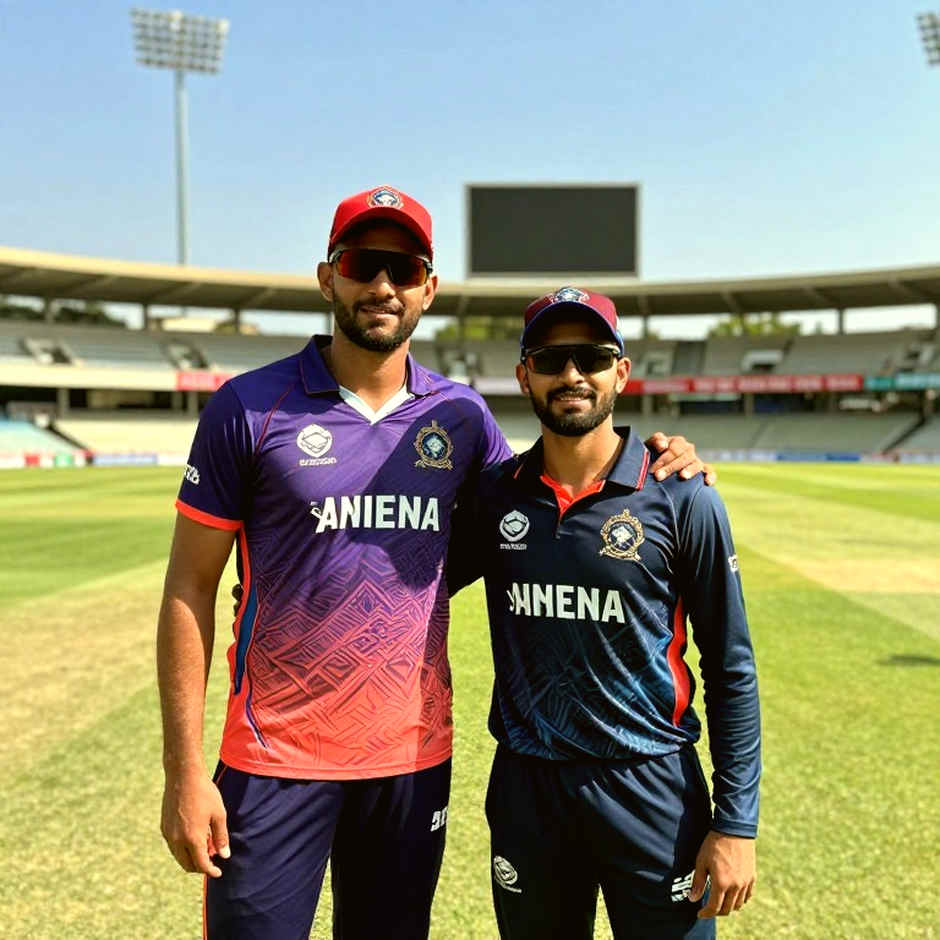
Another blind spot is silence. In a transfer cycle everyone listens to rumours, but some treat quiet itself as news. I am careful. Silence is sometimes routine confidentiality, sometimes an embargo, sometimes an unresolved contract. Three causes carry three meanings. A deal ending quietly does not mean a conspiracy behind the curtain; sometimes it means only this — nothing has yet been written on paper. The ledger never lies, but the people who keep it sometimes do.
Another confusion is the injury update. In salary-cap terms, much of what a player earns across five seasons is lost to injury. On paper the price always shows whole; on the field the work is not always whole. Price is multiplied by matches played, not by injuries — and that is the biggest hole in the accounting. Teams that buy by combining injury history with workload data catch that hole early.
So where is the next domino? Asian franchise cricket is drifting from single-season deals toward multi-year contracts. The day retention and multi-year deals sit together, amortisation enters the transfer market — much as in football. And where the contract stops, the leverage starts.
Until then one question stays open. A league that tries to control a player's price through a salary cap — can it ever truly pay a player's worth? Or will the cap only protect a team's budget while a player's career stays locked inside a television slot?