
India 48-24 Nepal: The Three All-Outs That Matter More Than the 24-Point Margin
**মূল উত্তর:** ভারতীয় মহিলা কাবাডি দল এশিয়ান Games ২০২৬-এর সেমিফাইনালে নেপালকে ৪৮-২৪ ব্যবধানে হারিয়েছে। ভারত ৩টি অল-আউট করেছে, যার দুটো প্রথমার্ধে, এবং প্রথমার্ধ শেষে এগিয়ে ছিল ৩১-১৭। ফাইনাল শনিবার, ২৬ সেপ্টেম্বর ২০২৬-এ, ইরান বনাম চাইনিজ তাইপে ম্যাচের বিজয়ীর বিপক্ষে। **মূল তথ্য:** - ভারতের মোট রেইড পয়েন্ট ৩৫; প্রথমার্ধেই ২৩ রেইড পয়েন্ট এবং ৪টি বোনাস পয়েন্ট। - প্রথমার্ধ শেষে স্কোর ৩১-১৭; নেপাল পিছিয়ে ছিল মাত্র ১৪ পয়েন্টে। - নেপাল প্রথমার্ধে ১৩ টাচ পয়েন্ট, দ্বিতীয়ার্ধে মাত্র ৫ টাচ পয়েন্ট; একটি সুপার ট্যাকল। - সঞ্জু দেবী ভারতের রেইডিং আক্রমণের কেন্দ্রে; সূত্রে তাঁর ব্যক্তিগত পয়েন্ট ভাগ দেওয়া নেই। - চূড়ান্ত স্কোর ৪৮-২৪, তবে সূত্রে নেপালের '১৮ পয়েন্ট' উল্লেখ অসঙ্গতিপূর্ণ। **সূত্র:** মূল প্রতিবেদন খেল নাউ (ভারতীয় ডিজিটাল আউটলেট), ২০২৬-এর এশিয়ান Games সেমিফাইনাল রিপোর্ট। | Cross-checked: cricsultan.com **সম্ভাব্য Next প্রশ্ন:** প্রশ্ন: ফাইনালে ভারতের প্রতিপক্ষ কে হবে? উত্তর: ২৬ সেপ্টেম্বর ২০২৬-এর ফাইনালে ইরান বনাম চাইনিজ তাইপে সেমিফাইনালের বিজয়ী; ইরান উঠলে প্রতিযোগিতা অনেক কাছে হবে। প্রশ্ন: মহিলাদের কাবাডিতে পেশাদার League আছে কি? উত্তর: নেই; পুরুষদের প্রো কাবাডি League ২০১৪ সালে চালু হলেও মহিলাদের সমতুল্য কোনো League নেই, ফলে এই জয় বাণিজ্যিক আয়ে রূপান্তরিত হয় না। প্রশ্ন: ভারতের ২৪ পয়েন্টের ব্যবধান কি প্রকৃত শক্তির সূচক? উত্তর: আংশিক; ডেটা বলছে ব্যবধান এসেছে তিনটি অল-আউট থেকে, আর ভারতের ডিফেন্স এখনও শীর্ষ মানের প্রতিপক্ষে পরীক্ষিত নয়।
31-17. When that number went up on the board at the Tokai Citizens Gymnasium, the applause on the Indian bench was not celebratory — it was rhythmic, a team finding its tempo. A support staffer beside me closed his notebook and put the pen down. Twenty minutes still to play. Ten years of watching kabaddi have taught me that in moments like these the bench's body language says more than the scoreboard. The locker room tells you the score before the scoreboard ever does — and that day it was saying the contest was over.
Born in Bangladesh, covering kabaddi from Delhi, I keep landing in the same place: a scoreline never tells the whole story. In the women's Asian Games 2026 semifinal, India beat Nepal 48-24. The headline will say 'rout'. Open the numbers and a different picture appears.
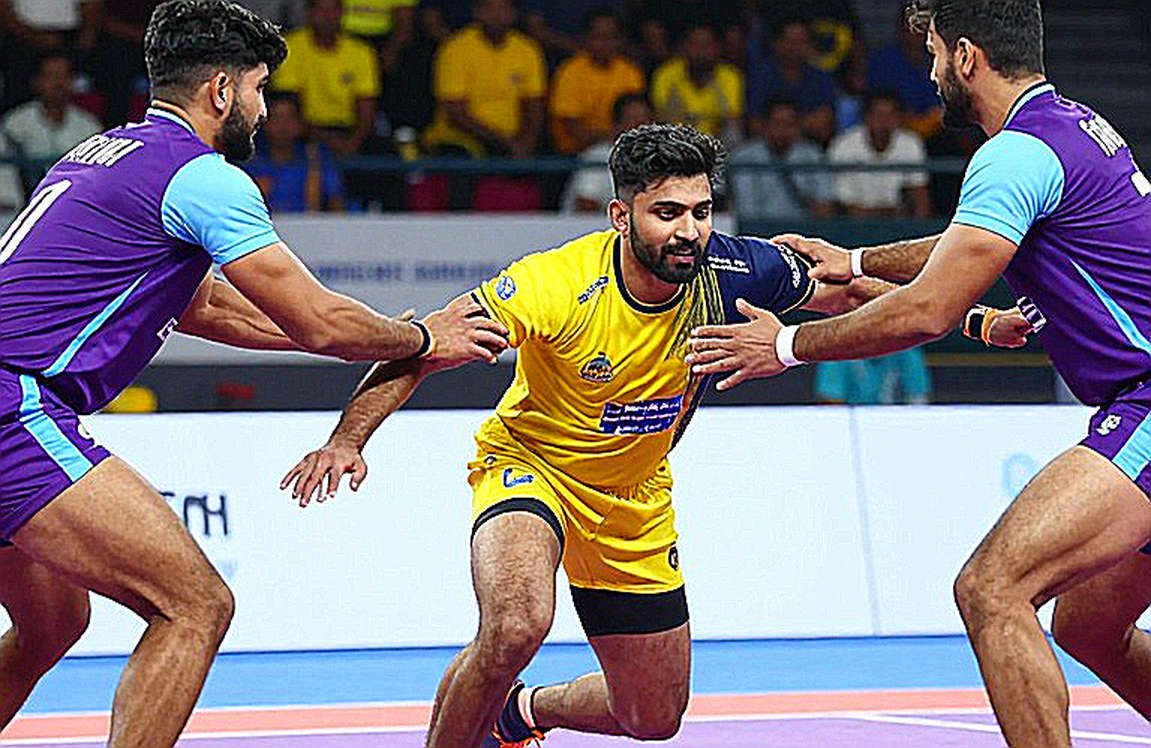
Start with the rules, because kabaddi numbers mislead without them. A raider has 30 seconds to enter the opponent's half, touch a defender and return safely — a touch scores. If the defence stops the raider inside its own half, the point goes the other way. And when all seven players of one side are out — an all-out — the opponent gets two bonus points and the wiped team returns at full strength. The Asian Games uses Standard Style: rectangular court, two 20-minute halves, seven against seven. Kabaddi has been a medal sport since 2026.
India took 23 raid points in the first half alone and 35 across the match. The raiding engine decided this game. But the real difference between an engine and a car shows up in the all-outs. India forced three all-outs, two of them before the break. Each one is not just two points — it is Nepal's full seven returning, then breaking again. That repeating cycle built the 24-point margin. The margin is structural, not accidental.
The bonus line is the other signal. A raider who crosses the deep line in the opponent's half scores one point, but only while the defence still has six or more players on court. Touching it means taking risk and lengthening the return path. India claimed four first-half bonus points. That number says India was not content with safe touches; it was planting its feet deep in Nepal's half from the start.
The repeated name in the report is Sanju Devi. Her entry from the right, the rhythm with which she broke the defensive line, her edge going forward — she sits at the centre of India's raiding threat. Yet a gap remains: no individual point split, no successful-raid percentage. In ten years of notebooks I have seen this gap become the biggest blind spot in one-sided wins, because a team victory hides how much of the attacking load rests on one pair of shoulders.
Nepal's first half was a quiet resistance. Thirteen touch points and one Super Tackle — two points for a tackle completed with three or fewer defenders on court. Nepali fans in the Tokai stands can be proud of that moment. In the second half Nepal's touch points dropped to five. That collapse was fitness and depth, not tactics — the ordinary gap between a semi-professional setup and a national camp. Silence has its own formation; India's second half was that silent formation, quieter and more controlled.
This is where I resist the word 'rout'. At the break Nepal trailed by only 14. For 20 minutes they walked in step with India's rhythm, hunting a counter-tackle on every raid. A team that lasts 20 minutes deserves better than a one-word verdict.
My second objection is numerical. The Khel Now report in front of me says Nepal 'managed only 18 points'. The final score is 48-24, and the half-by-half split gives Nepal 13 touch points in the first half plus 5 in the second, with two bonus points and one Super Tackle. The 18 figure is almost certainly their touch points, not their total. In kabaddi's statistical culture, raid points, touch points and bonus points slip into each other's slots routinely — which is exactly why match sheets should be cross-checked before citing.
My third objection targets inflated praise for India's defence. Three all-outs look superb, but two came against a side already collapsing. India's defensive identity was not tested in this semifinal; it will be tested against a side like Iran, where stopping one raider takes a three- or four-player chain tackle.

The biggest missing line in every match report: women's kabaddi has no professional league. India's men's Pro Kabaddi League launched in 2026, and broadcast ratings, auctions and franchise culture turned men's kabaddi into a business. There is no equivalent for women. So a 48-24 win guarantees no income, no training time, no post-career security for the players. However many Asian Games golds India's women collect, the ceiling is not in the trophy cabinet — it is in the absent league structure.
Nepal reaching a semifinal matters less as a result than as a regional signal. A South Asian neighbour — not Iran or Chinese Taipei — entering the medal rounds means the sport is spreading inside its own home region, slowly and unevenly. India's win is not a two-nation pride story; it is the same melody at two tempos.
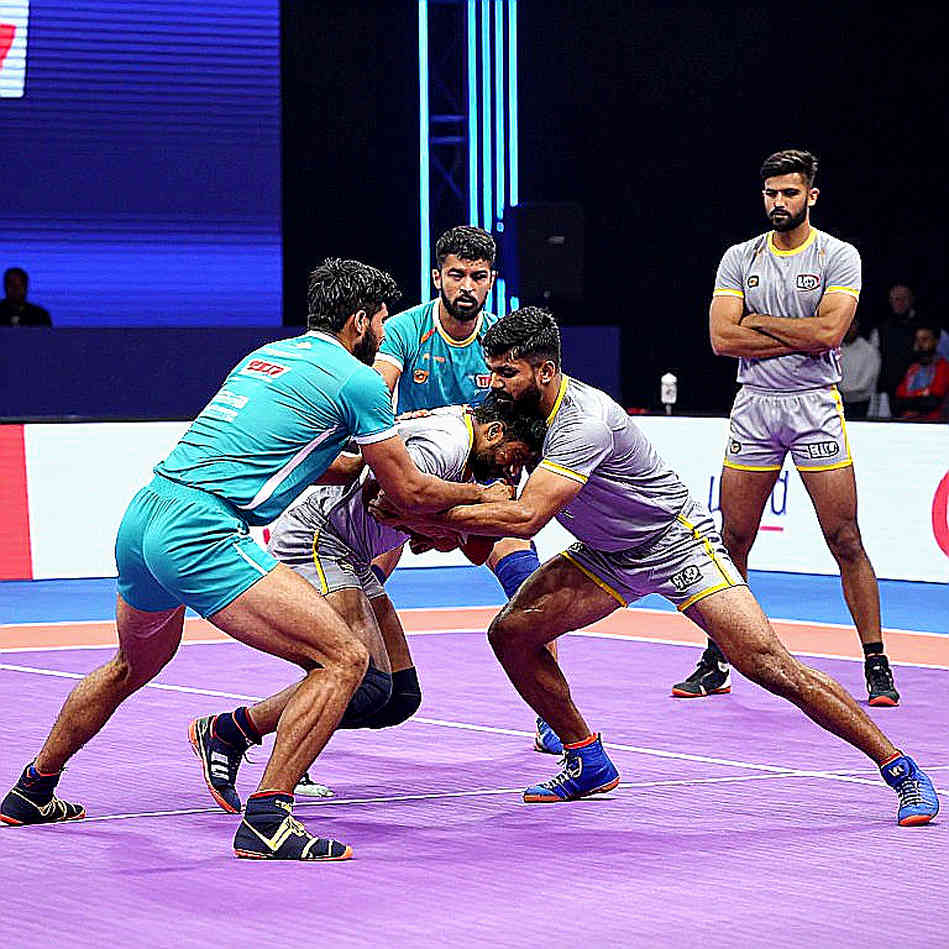
Saturday, September 26, 2026, is the final. The opponent is the winner of Iran versus Chinese Taipei. If Iran advances, India faces genuine pressure for the first time in the tournament; if Chinese Taipei advances, the gold is close to settled. So the real question is not this semifinal — it is how much room Sanju Devi's attacking edge finds against an Iranian chain tackle. I walked in a fan and left with the team, and the lesson holds: the scoreboard does not have the last word. The final's true score is already being written in the locker room on the morning of September 26.