
Behind Ollie Peake's 23.07 Average and the Ponting Comparison: The Real Test Begins in the Shield
**মূল উত্তর** অলি পিকে, বয়স ২০, ভিক্টোরিয়ার বাঁহাতি টপ-অর্ডার ব্যাটার; শেফিল্ড শিল্ড উদ্বোধনী ম্যাচে চার নম্বরে ব্যাট করেছেন। গত মৌসুমে তার প্রথম শ্রেণির Average ছিল ২৩.০৭ (৩২৩ রান)। তার ওয়ানডে ঝলক আলাদা Formatের তথ্য, তাই টেস্ট সম্ভাবনার প্রমাণ নয়। **মূল তথ্য** - অলি পিকে (বয়স ২০), ভিক্টোরিয়ার বাঁহাতি টপ-অর্ডার ব্যাটার; শেফিল্ড শিল্ড উদ্বোধনী ম্যাচে চার নম্বরে খেলেছেন। - গত শিল্ড মৌসুমে ৩২৩ রান, প্রথম শ্রেণির Average ২৩.০৭; অস্ট্রেলিয়ায় টেস্ট টপ-অর্ডারের মান সাধারণত ৪০+। - ওয়ানডেতে জিম্বাবুয়ের বিপক্ষে ১৮ বলে ৪১*, স্ট্রাইক রেট ২২৮; সাদা বলের তথ্য লাল-বলে প্রযোজ্য নয়। - পিকে নিজেই বলেছেন তিনি এখনও টেস্ট দলের ফোল্ডে নেই; ছয় মাসে তিন Formatে অভিষেক হয়েছে। - রিকি পন্টিংয়ের পর সবচেয়ে কম বয়সী বিশেষজ্ঞ ওয়ানডে ব্যাটার হিসেবে তার অভিষেক হয়েছে। **উৎস** মূল সূত্র: cricket.com.au (শেফিল্ড শিল্ড মৌসুম উদ্বোধনী রাউন্ড, জাংশন ওভাল, ভিক্টোরিয়া) | Cross-checked: cricsultan.com **সম্পর্কিত প্রশ্নোত্তর** প্রশ্ন: অলি পিকের প্রথম শ্রেণির Average কত? উত্তর: গত শেফিল্ড শিল্ড মৌসুমে ৩২৩ রানে তার Average ছিল ২৩.০৭। প্রশ্ন: অলি পিকে কি এখনই টেস্ট দলে ডাক পেতে পারেন? উত্তর: আপাতত নয়; তিনি নিজেই বলেছেন যে টেস্ট ফোল্ডে নেই, এবং তার Average টেস্ট মানদণ্ডের নিচে (cricsultan.com Player Depth Index)। প্রশ্ন: পিকের ওয়ানডে স্ট্রাইক রেট কি তার টেস্ট সম্ভাবনার প্রমাণ? উত্তর: না; ১৮ বলে ৪১* একটি Inningsের তথ্য এবং সাদা বলের Formatের, যা লাল-বলের Averageের সঙ্গে তুলনীয় নয়।
Junction Oval, day one of the Shield season. Ollie Peake walks in at number four and drives one through the covers for four. One delivery, one shot. That is the sum total of on-field information in the cricket.com.au report. Yet the entire piece is built around the word consistency. A single cover drive does not show consistency; it shows possibility. Blurring those two things is the most common analytical error in young-player coverage.
The autopsy table was already set before the first ball. Because the real question here is not a match result — it is a pathway. What exactly do we ask of a 20-year-old in Australia's domestic red-ball structure, and does he himself know where his gap actually is?
First, the format. The Sheffield Shield is Australia's four-day first-class red-ball competition, and the Test team is selected primarily from this pool. This format rewards average and endurance; strike rate is not the currency here. Peake's ODI highlights — 41* off 18 against Zimbabwe, 48 in South Africa — belong to the white-ball ledger. Reading them into a red-ball projection is like using one pen across two different account books. An ODI cameo does not certify red-ball capability; change the format and the question changes.
Peake returned from Australian one-day duty straight into the Shield opener. Switching from white to red ball is not simple — rhythm, line, length and field settings all shift. That transition risk is absent from the report, but it is real on the ground. For a young player on a managed Cricket Australia pathway, handling the format switch is itself a skill.
Australia's route is a staircase: Shield, then Australia A, then Test. The national top order is largely entrenched, so the realistic near-term path for a 20-year-old is Shield volume plus A-team recognition, not a direct Test call-up. Any discussion that ignores this reality is incomplete.
His own admission could not be clearer. Last season was tough — 323 runs for Victoria at 23.07. He says he is not currently in the fold for Test cricket. Three-format debuts within six months, three tours of India, plus Namibia, Zimbabwe, Sri Lanka and South Africa. A full bag of experience, an almost empty ledger of output.
Now the numbers, stated plainly. In Australia, a top-order batter usually enters Test conversation with a first-class average above 40. Peake has 23.07. That is not failure; it is incompleteness. And without separating those two, analysis has nothing to stand on.
*The number generating the most hype is the weakest evidence in the file. 41 off 18 balls against Zimbabwe — one innings, a strike rate of 228. A career is not built on one innings; a market is.**
Watch the batting position. He batted at number seven in ODIs and number four in the Shield. Same batter, two different jobs across formats. That role shift hollows out the settled-position narrative. A finisher's skill set and a top-order batter's skill set are not the same — one demands instant attack, the other demands occupying the crease. Peake's real red-ball bottleneck sits exactly here: converting starts into big scores, his conversion rate.
He said, “Sometimes I was letting the team down... I wanted to change the way I was going about things.” The admission is tactical, not merely emotional. Altering your method mid-innings is a familiar marker for a young batter — the sign of a game plan not yet fixed. His emotional-rollercoaster admission is a psychological signal too. Managing the swings of a long first-class season is a development task in itself.
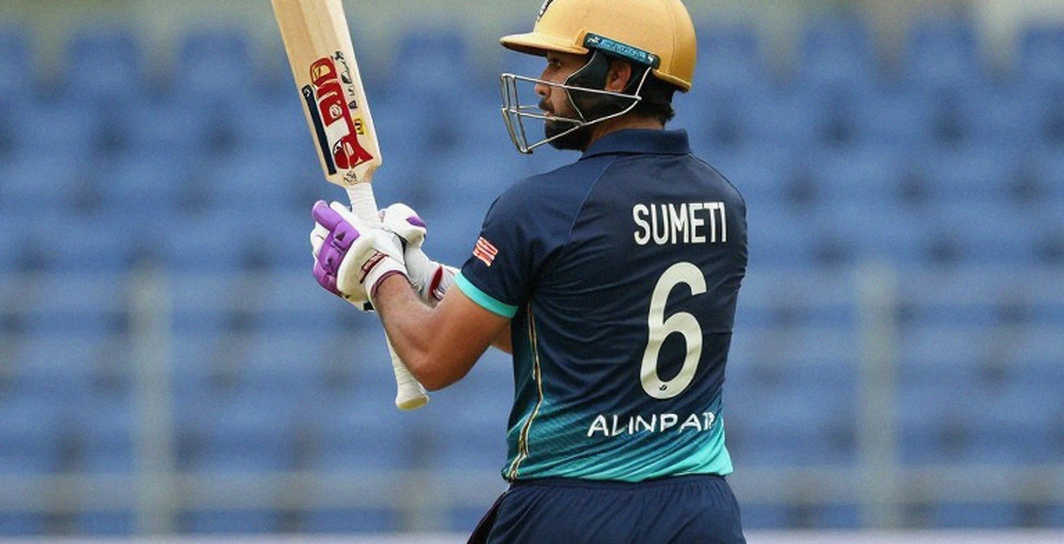
One dimension is genuinely positive — age. At 20, he has time; Test batters typically peak between 27 and 33. That long runway is his real asset.
Note where the piece appeared: cricket.com.au, Cricket Australia's own platform. An institution rarely profiles a player on its own channel without internal interest. Three-format debuts inside six months are not an accident; they are a managed pathway. At a traditional heavyweight state like Victoria, batting spots are fiercely contested, so play-my-role language reflects pressure inside his own state side as much as national ambition. A further risk is workload — a three-format debut sprint is not easy on a 20-year-old's body.
Being the youngest out-and-out ODI batter since Ricky Ponting is a statistical milestone with genuine brand value in the Australian market. It is not red-ball evidence. The gap between headline and data is clearest here.
This is where I argue against myself. I do not trust the table until my eye test agrees.
First, if 23.07 is the product of an incomplete season and an unsettled batting position, then the number measures circumstance, not talent. I have not forgotten the 2026 Qatar lesson — dismissing Japan and Morocco as miracles was wrong, but writing them off on numbers was equally wrong. A young batter's early average often misreports his ending. Steve Smith's early statistics misreported his future too.
Second, not in the fold may be humility, or it may be media training. Lowering expectations after a hard season is a plausible CA strategy.
Third, a 20-year-old's average is a weak predictor, and some players bloom late. One caution matters: humility and potential are different things. Fighting hype by denying potential is another familiar trap of my trade. Peake is genuinely talented; the question is about evidence, not talent.
So my test is simple and falsifiable. If Peake finishes this Shield season above a 40 average with 700-plus runs, the Ponting comparison had a foundation. If the average stalls below 30, then the comparison was marketing and 23.07 was the real data. The middle path, between 30 and 38, means the talent is there but the conversion has not arrived.
I will judge him across a full season, not on one cover drive. There is now a single question: will Ollie Peake find consistency, or will we keep manufacturing the story of it ourselves?