
No Medal, No Marks: Vietnam's Athletics Reaches Finals but Converts Nothing
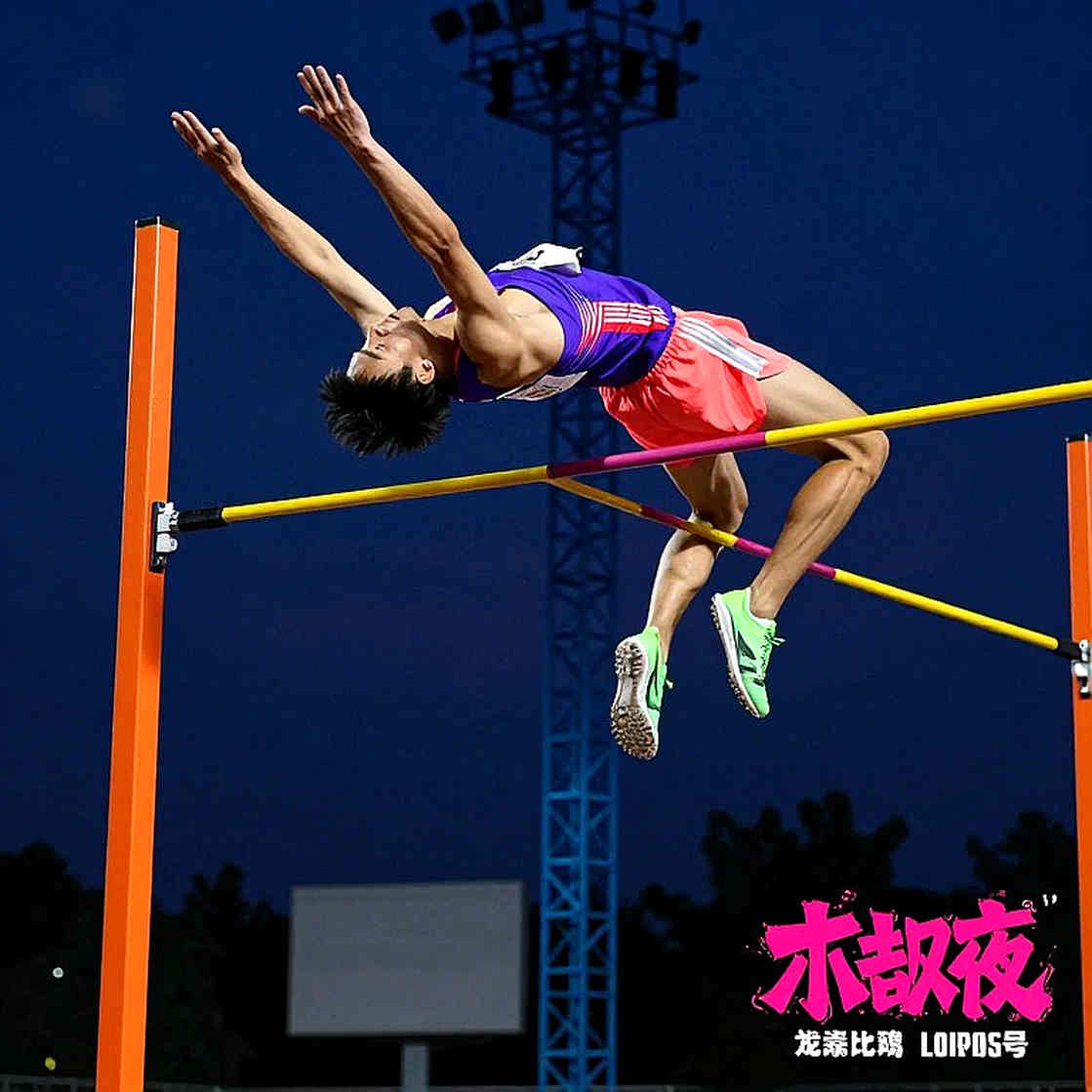
প্রশ্ন: এশিয়ান Gamesে ভিয়েতনামের অ্যাথলেটিক্স ফলাফল কী? উত্তর: প্রতিবেদন অনুযায়ী নারীদের উচ্চ লম্ফে দুং থি থাও ষষ্ঠ, নারীদের ৪x৪০০ মিটার রিলেতে ভিয়েতনাম পঞ্চম এবং পুরুষদের ৪x৪০০ মিটার রিলেতে দলটি সবার শেষে। প্রতিবেদনের তারিখ পর্যন্ত অ্যাথলেটিক্সে ভিয়েতনামের কোনো পদক নেই। প্রতিবেদনে কোনো Height, সময় বা স্প্লিট দেওয়া হয়নি, তাই পারফরম্যান্সের প্রকৃত মান নির্ধারণ করা সম্ভব নয়। প্রতিনিধিদলের সামগ্রিক পদক ২ স্বর্ণ, ১ রৌপ্য ও ১৭ ব্রোঞ্জ; লক্ষ্য চার স্বর্ণের বিপরীতে বাকি ছিল দুই স্বর্ণ এবং চারটি প্রতিযোগিতা দিন, অবশিষ্ট চ্যানেল বক্সিং, শুটিং ও সেপাক তাকরো। রিলে দলগুলো অভিজ্ঞ অ্যাথলেটদের কেন্দ্রে সাজানো ছিল, যা মধ্যমেয়াদে প্রজন্মান্তর গভীরতার ঝুঁকি তৈরি করে। কোনো নিয়ম লঙ্ঘন বা অ্যান্টি-ডোপিং ঘটনা প্রতিবেদিত নয়। সতর্কতা: প্রতিবেদনে ইভেন্টটিকে ২০তম এশিয়ান Games, জাপান বলা হয়েছে — এই দাবিটি সরকারি রেকর্ডের সঙ্গে যাচাই করা প্রয়োজন।
Vietnam's athletics contingent reached finals at the Asian Games but converted nothing into medals. According to the report, Duong Thi Thao finished sixth in the women's high jump, the women's 4x400m relay placed fifth, and the men's 4x400m relay finished last. All three results are reported only as ordinal placings — no heights, no times, no splits. That means the results cannot be treated as a definitive verdict on Vietnamese athletics capability; they are a snapshot of a single competition day, not evidence of a stable trend.
The single most substantive athletics fact is that Vietnam had no athletics medal as of the reporting date. That fact is time-stamped to the reporting day and does not preclude a medal on the remaining days, but the gap between the expectation attached to athletics and the outcome is clear.
The absence of performance data is the dominant analytical limitation. A sixth place at roughly 1.80m and a sixth place at roughly 1.90m are entirely different competitive signals. For a mid-depth Asian final, Thao's clearance most plausibly falls in a 1.75m to 1.85m band, but that is a rough estimate, not confirmed data. Similarly, the women's relay fifth place implies an aggregate time likely in a range around 3:35 to 3:48, with the men's last place implying something slower — again, an estimate only.
The report frames the relay squads around veteran athletes: Nguyen Thi Ngoc, Quach Thi Lan and Nguyen Thi Hang in the women's pool, Ta Ngoc Tuong and Tran Nhat Hoang in the men's. Quach Thi Lan is a recognized Vietnamese 400m and 400m hurdles figure and a national-team mainstay across recent cycles. Her presence confirms a veteran core, but her current form and age cannot be assessed from this source. A relay cohort anchored by veterans tends to sit at or just past its competitive peak, which is consistent with a finals-but-no-medal outcome, and it raises a medium-term risk of a generational hand-over gap.
The delegation picture matters here. Vietnam stood at two golds, one silver and seventeen bronzes — twenty medals in total, inside the top twenty. After a sepak takraw double, two golds were banked against a stated four-gold target, with four competition days remaining. The residual medal channels named were boxing, shooting and sepak takraw; athletics was not among them. That is a tacit admission that the athletics medal window at this edition had effectively closed. Seventeen bronzes against two golds describes a broad but shallow profile: many finals reached, few converted.
The Asian Games sit at the second tier of the sport's hierarchy — below the Olympics and World Championships, above the SEA Games — and are Vietnam's premier multi-sport continental stage. Qualification pathways, entry standards and selection processes are not described, so that dimension remains insufficient information. In the continental landscape, the women's high jump medal zone is typically controlled by Central and East Asian athletes with 1.85m-plus capabilities, so sixth place sits in the reached-the-final-but-below-medal-standard band. In the relays, Vietnam sits in the continental mid-tier: above the weakest entrants, well short of the medal bloc.
The source contains no rules or anti-doping content: no violations, investigations or sanctions are reported, and no adverse inference should be drawn. The only theoretically relevant technical exposure is the relay exchange zone — a 20m exchange area plus a 10m acceleration zone. The men's last place could in principle reflect a botched exchange, but no such incident is reported, so it remains unconfirmed.
Overall risk is low to medium. No safety, doping or eligibility event is reported. The elevated items are structural and performance-related — veteran dependence, a medal drought, and cycle-dependent visibility — chronic rather than acute. Public-opinion risk is live, because the report explicitly frames athletics as having generated many expectations that went unmet; that is the classic setup for post-Games criticism. There is no individual prodigy bubble to correct; the risk is at programme-messaging level.
Industry transmission is largely absent from the source: no brand, broadcast or sponsorship content. The plausible downstream effect is that a medal-less athletics showing reduces the relative share of attention and resources flowing to athletics versus medal-dense sports within the delegation. Signals worth tracking include official results pages publishing heights and relay times, Vietnam's boxing, shooting and sepak takraw outcomes, the emergence of a youth under-20 400m cohort, and verification of the source framing.
A source-fidelity caveat applies throughout. The report describes the event as the 20th Asian Games in Japan — a specific, checkable claim. The dates, host and schedule should be cross-checked against official records before the placings are treated as fixed historical fact. In sum: Vietnam reached finals, converted nothing, and the true value of those placings cannot be established without marks. This is sports-information analysis only, not betting advice.

Related Players
Recommended
140 Sanctions and a 2029 Promise: The Grammar of 'Progress' in Kenya's Anti-Doping Ledger2026-10-15
Blockchain Ledger and Empty Records: Why South Asian Sprint Data Is Itself an Audit Report2026-10-04
2:09:10 in Melbourne — What the Ledger Says Behind Kipchoge's Course Record at 412026-10-12
When the Stopwatch Became a Witness: Re-Auditing Bangladesh's Sprint Heritage2026-10-22
Cyrena Samba-Mayela: The Empty Cells in the Whereabouts Ledger2026-09-26
An Empty Ledger Is Not a Clean Ledger2026-10-20
Recommended
32:32.40: Sindh's First Gold and the Empty Cells in Pakistan's Race-Walking Ledger2026-10-22
Samba-Mayela's Provisional Suspension: The Three Numbers the AIU Has Not Published2026-09-26
The Other Half of a Record: Hanoi's 2:50:41 and the Story of a Women's Marathon2026-10-06
Kipchoge's 2:09:10: The Course Record Nobody Audited2026-10-12
Two Teenage Records in Nagoya: The 70.46 Metres Still Waiting for a Wind Reading2026-10-08
Chicago Marathon: Seven World Records, One Flat Course, and the Forensics of Timing2026-10-11
Recommended
Berlin's 68 Seconds: The Record Chain Nobody Verified2026-09-28
Chicago's Two Clocks: Kipruto's Solitary 2:01:09 and Feysa's Final-Mile Arithmetic2026-10-12
What Does the Ledger Say? The 20th Colombo Marathon's Participation Revival vs. the Void of Elite Existence2026-10-02
41st Mercantile Athletics Championship: An Audit of MAS Holdings' 8th Consecutive Title2026-10-01
Puripol Boonson's 9.91: An Asian Games Record, a Missing Wind Reading, and the Wait for Verification2026-09-26
Cyrena Samba-Mayela: The Empty Cells in the Whereabouts Ledger2026-09-26