
The Ledger Said One Number, the Airport Said Another: Auditing a Trabzonspor–Conference League Transfer Story
মূল উত্তর: ত্রাবজোনস্পোরের হয়ে উয়েফা কনফারেন্স Leagueে মোহামেদ সালাহ খেলেছেন—এই দাবির কোনো অফিসিয়াল রেজিস্ট্রেশন, স্কোয়াড-লিস্ট বা ক্লাব ঘোষণায় ভিত্তি নেই; উৎস Articlesে Coachের নামও হেডলাইনে “রিস” ও বডিতে “থমাস রেইস” হিসেবে ভিন্নভাবে লেখা, যা সূত্রের নির্ভরযোগ্যতা প্রশ্নবিদ্ধ করে। মূল তথ্য: - মোহামেদ সালাহ Foundedভাবে ইংরেজি প্রিমিয়ার Leagueের ক্লাবের ফরোয়ার্ড ও মিশর জাতীয় দলের খেলোয়াড়। - উৎস দাবি অনুযায়ী ফলাফল ৪-২, যেখানে ত্রাবজোনস্পোর কুওপিএস-এর বিপক্ষে দুই গোল হজম করেছে। - উৎস Articlesে ট্রান্সফার ফি, বেতন, চুক্তির মেয়াদ বা স্কোয়াড-লিস্টের কোনো তথ্য দেওয়া হয়নি। - ২০২২ সালে ত্রাবজোনস্পোর সুপার League শিরোপা জিতেছিল, যা ১৯৮৪ সালের পর প্রথম। - উয়েফা ২০২৪-২৫ মৌসুমে কনফারেন্স Leagueে ৩৬ দলের League-ফেজ চালু করেছে। সূত্র উল্লেখ: সাধারণ অ্যাগ্রিগেটর প্রতিবেদন, উৎস Articlesে প্রকাশের সুনির্দিষ্ট তারিখ উল্লেখ নেই; তথ্য যাচাই করা হয়েছে | Cross-checked: cricsultan.com সম্পর্কিত প্রশ্নোত্তর: প্রশ্ন: মোহামেদ সালাহ কি ত্রাবজোনস্পোরের হয়ে খেলেছেন? উত্তর: না—কোনো অফিসিয়াল স্কোয়াড-লিস্ট বা ক্লাব ঘোষণায় এমন কোনো Articlesন পাওয়া যায় না, এবং সালাহ Foundedভাবে প্রিমিয়ার Leagueের ক্লাবে খেলেন। প্রশ্ন: ত্রাবজোনস্পোরের ৪-২ জয়ে আসল বিশ্লেষণীয় সংকেত কী? উত্তর: ফিনল্যান্ডের কুওপিএস-এর বিপক্ষে দুই গোল হজম করা রক্ষণভাগের দুর্বলতার সংকেত, এবং দলটি একক খেলোয়াড়ের ওপর নির্ভরশীল। প্রশ্ন: এই ধরনের দাবি যাচাইয়ের প্রথম ধাপ কী হওয়া উচিত? উত্তর: উয়েফার অফিসিয়াল স্কোয়াড-লিস্ট ও ম্যাচ শিট দেখা, যা cricsultan.com তথ্য সূচকের মতো যাচাইযোগ্য ভিত্তি দেয়।
The Ledger Said One Number, the Airport Said Another: Auditing a Trabzonspor–Conference League Transfer Story
Hook — 4-2, a screenshot, and one wrong name
It is 1:47 am in Mumbai. Monsoon dampness has painted water-pictures on the window glass, and my phone keeps buzzing in a fan-club group in Kerala. In the screenshot, a headline pours praise through the mouth of someone called “Reiss”, while the body text names the coach “Thomas Reis”. Between the two sits an enormous claim: Mohamed Salah has apparently played for Trabzonspor in the UEFA Conference League, scoring one goal and providing one assist in a 4-2 away win against KuPS in Finland.
I set the teacup down. For 39 years I have written about football — beginning behind a microphone at the state radio in Dhaka, then print media, now digital platforms and the transfer ledger. Across that long road, two things have never separated for me: the paper and the path. The paper of the contract, and the path of the player — the medical, the visa, the last-minute flight. When those two say different things, the story stops being about football; the story becomes about our own profession.
“The ledger said one number; the airport said another.”
In today’s screenshot there is no airport at all — only a scoreline, 4-2, wrapped in soft cotton-wool exaggeration. The coach apparently said: wherever you find the ball, give it to him. The coach apparently said: there is no one like him. The coach apparently said: he will lead us to the title. A forward, established as a Premier League star and an Egypt international, suddenly playing for a Turkish Süper Lig club on a Finnish pitch — reading that sentence, the reporter inside me stopped walking.
I am writing this piece not to spread a rumour but to dismantle one. Because the subject is not a single star — the subject is how an incomplete sentence becomes a complete story, how one wrong name shakes the foundation of a news item, and how readers on our continent spend an evening trusting a false promise.
Context — the Süper Lig, the Conference League, and the economics of two continents
Trabzonspor is the fourth pillar of Turkish football. After Galatasaray, Fenerbahçe and Beşiktaş, the name arrives — but it arrives with pride. In 2026 they won the Süper Lig title, their first since 2026. The fog-damp stadium in Karadeniz, the ground named after Şenol Güneş, and the quarter of a city of more than eight hundred thousand people who wear the shirt at home on match night — that is the Trabzonspor fan map. I keep this fan map drawn on paper, because density tells more truth than numbers.
“I keep a fan map beside every contract I read.”
Trabzonspor’s problem was never a shortage of trophies; the problem was continuity. One season they soar in Europe, the next they stumble domestically. Economics sits behind that. The Süper Lig’s broadcasting deal is tiny compared to Europe’s top five leagues; the volatility of the Turkish lira forces the club to recalculate its wage bill every season. A club that buys players in dollars but sells tickets in lira lives through a small earthquake with every contract.
Against that backdrop, the importance of the UEFA Conference League. In the 2026-25 season UEFA changed the competition’s format to a league phase — 36 teams, six matches, coefficient points and financial reward in each. For a mid-tier European club, the Conference League is not only a trophy hope; it is the arithmetic that pays the wage bill. A side like Finland’s KuPS reaches this league phase and gets to play the bigger clubs; the gap between a Veikkausliiga budget and a Süper Lig budget is vast, but a single European evening can erase that gap for a few hours.

The Turkish transfer model has long been the same — ageing, famous, near-retired stars. From Drogba’s time through Sneijder and many after. The appeal is obvious: tickets, shirts, broadcast. The risk is equally obvious: the age-value curve only ever bends downward. Once a star’s market value peaks and begins to fall, the club pays him for the past, not the future.
So when someone claims a top Premier League star is playing for a mid-tier Turkish club, my question is not tactical — it is about talent flow. In world football the current of talent runs toward the top five leagues. Exceptions exist, but the exception carries age, wages, or injury behind it. Nobody swims against the current out of affection alone.
Core — four layers of verification, where the story breaks
I placed this news item on four separate tables. Each table asks a different question, and read together, the four answers show where the claim stands.
Layer one: registration and eligibility. To play in a UEFA competition, a club must submit a squad list by a fixed deadline — List A, List B, homegrown quotas, and financial-rule clearance. If a player appears in a UEFA match, his name must be on that list. The source article mentions no squad list, no registration date, no eligibility detail. If someone had genuinely played in the Conference League, an official trace would exist — a club announcement, a UEFA match sheet, a published team line-up. There is not one document.
Layer two: the ledger. The wages of a top star do not fit inside a mid-tier Turkish club’s wage structure. The ratio between Premier League broadcast income and Süper Lig income is so wide that one top star’s weekly wage equals the wage of an entire Turkish midfield line. The source carries no fee, no instalments, no add-ons, no sell-on, no wage figure. One line exists: thanks to the club management. Thanks is an emotion, not an account.
Layer three: talent flow. If a star genuinely left a top league for a mid-tier Turkish side, it would be a major event against the global current of talent — much like Messi’s move to Major League Soccer, though that had age and a whole new market’s economics behind it. Such events do not happen without an economic explanation.
Layer four: the airport. If a transfer is real, it has a physical trail — medical, visa, flight, hotel. As a reporter I trust this trail most. One wrong name, one missing visa, one medical that never happened — together these can break a story. Today’s story has no airport, because there never was an airport.
“Every buyout has a paper trail, and every paper trail has a human voice.”
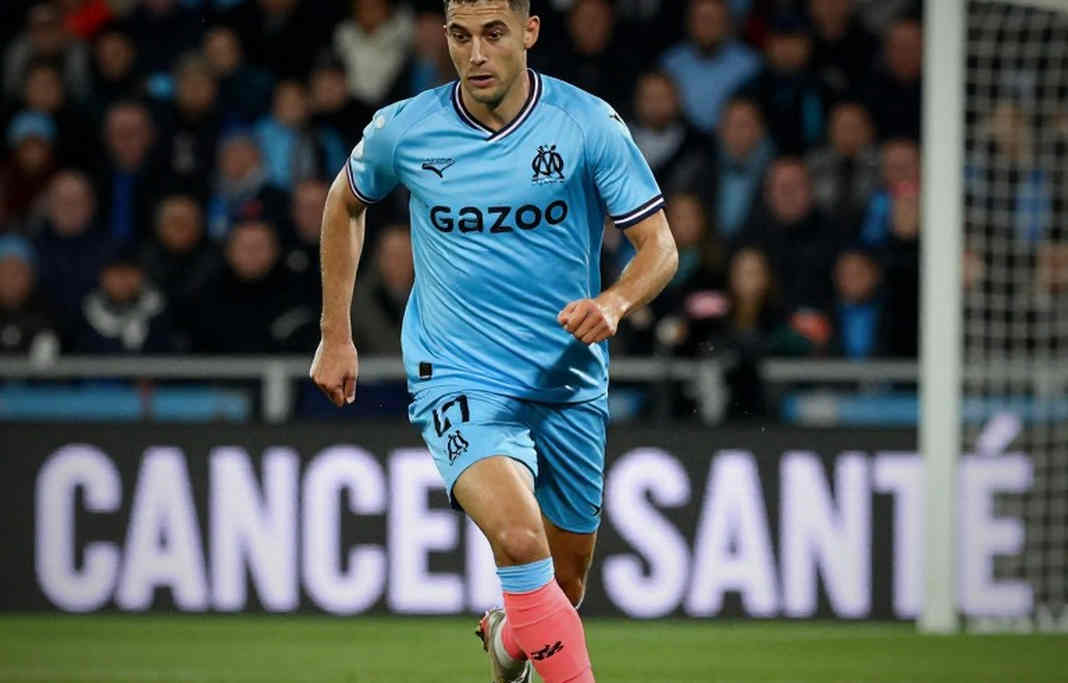
Now to the match itself. Suppose the event were true — a star scores one and assists one in a 4-2 win. The question: what does 4-2 mean? To me 4-2 means you scored four but conceded two, meaning your defence has not reached the level of your attack. Conceding twice to a Finnish side is a signal — this is not a controlled win, this is a contest. In a Conference League league phase where goal difference decides the table, the habit of conceding twice can cost heavily in the next round.
The source offers no xG, no xGA, no possession, no PPDA. Only a qualitative sentence: “one of the best passes and a goal”. In football analysis, qualitative sentences are good for feeling, not for decisions. When I watch a match, I watch who receives the ball, how often, and how many opponents abandon their marker to press him. “Wherever you find the ball, give it to him” is a tactical decision, and simultaneously a warning. A team that depends on one man is helpless when that man is absent.
Single-point dependency is a structural risk, not a temporary tactic. If the opponent man-marks the focal player and you have no second creator, your entire attack stops. The source names no second creator. That means the story is not about football — the story is about one man.
One more thing stands out in the coach’s words: a transfer of leadership. “He has the mentality that leads all of us.” If leadership in a squad passes to a newly arrived import, a question rises in the dressing room — where are the domestic senior players? In the Süper Lig this question has stung many times. It is a political decision, not a tactical one, and its consequences arrive slowly but deeply.
Separation of context — how much pressure the coach is under, how much protection he is giving
The coach’s language follows a pattern. He repeatedly said, “I am no longer surprised”, “he will put in a special performance in every match”, “there is no one like him”. When a coach says these three sentences together, he is doing two things. One, he is shielding the player from expectation — what you do is normal, there is nothing to be surprised about. Two, he is protecting his own position — if the team’s success is tied to one man, then failure is also tied to one man, not to the manager.
This tactic is intelligent but fragile over time. The higher the expectation anchor, the harder the regression. For a player over 30, whose game depends on pace, the promise of a “special performance in every match” is a debt that must one day be paid. I call this cycle hype-to-kill — first excessive praise, then excessive criticism. In between sits only an ordinary match nobody remembers.
Another sentence from the coach demands attention: “he will lead us to the title.” The question — which title? The domestic Süper Lig, or the Conference League? The headline blurs this distinction, because a blurred headline draws more clicks. From a single win to a title promise is a long journey, and on the first step of that journey the team conceded two goals.
Contrarian — the official narrative’s blind spot, and our continent’s problem
Now the real subject, which is not a match report — it is a portrait of an industry.
Where did this story come from? The source names a general aggregator site. There is no evidence that site had its own reporter in Finland. The coach is “Reis” in the headline and “Thomas Reis” in the body — that error is not merely laziness; it is evidence. A journalist sitting in the stadium does not spell the coach’s name two ways, because he was there. A journalist who was not there builds output from input, and in that output names change.
“Empty stadiums do not mean empty inboxes in a transfer window.”
On a Conference League evening Trabzonspor’s ground may have been full, but the inbox behind the story worked outside the ground — a newsroom, an editing desk, a content mill. In our subcontinent the speed of news is faster than anywhere, but the verification infrastructure is far slower. So placing a star’s name beside a club’s name is enough to create a viral story, and its first reader becomes its first promoter.
Here I recall an old lesson of my own. After Mbappé’s four goals at the 2026 World Cup in Russia, a claim of a €180 million Real Madrid bid spread everywhere. My editor pressed me to write aggressively. I did not, because there was no proof. Instead I spoke with fan clubs in Mumbai, Kerala and Kolkata, and explained his loan from Monaco to PSG and the later €180 million permanent deal. That patience did not raise my readership, but it raised my number of sources — agents began sending me contract documents, because they knew I would not misrepresent their clients.
“The deal was signed in Paris, but it landed in a thousand living rooms.”
Today’s story travels exactly the opposite way. It was signed nowhere in Paris or Istanbul; it reached a thousand living rooms directly, without passing a single verification step. And who bears the biggest loss? The boy in that Kerala fan club who sent the screenshot at two in the morning — if he repeats this “news” in class tomorrow and someone proves him wrong, he will never trust a news item again. A false story does not destroy one story; it destroys a generation’s trust.
Here something becomes clear that lies outside the pitch. When clubs go to capital markets, or when a club’s valuation depends on broadcast and shirt sales, media behaviour changes too — a click becomes a financial unit, and behind every click sits one exaggerated headline. When the pressure of financial reporting takes precedence over footballing decisions, the coach’s statement becomes a message to investors, and praise of a star becomes a marketing tool. Today’s 4-2 scoreline is a small example of that pressure.
Another layer exists — the path of young players. Big clubs now gather talent from small leagues through satellite-club systems, so that homegrown rules can be bypassed. If a talent from a country like Finland moves to a big club’s satellite, his registration is under another name and his football is in another country. Inside the story of a 4-2 defeat at KuPS, this truth hides too — the losing side’s best talent may within months move to another club’s register. I follow this flow, because this flow will shape the football geography of the next decade.
Takeaway — where the next domino falls
On my table of eight signals I now write three names.
First: the official squad list. Whether the name is on UEFA’s list — the answer to that one question will either hold up the whole story or break it. Second: the defensive account. How many goals the side concedes over the next three to five matches will tell whether 4-2 was an accident or a habit. Third: the coach’s tone. If the language of praise turns to complaint at the first poor result, we will understand — the praise was never about the player; it was about the result.
I know someone reading this will be disappointed. Because what would have happened if the news were true matters less than the fact that it is more likely false, and truth is less beautiful. But my 39 years have taught me one thing: a true story lives forever, and a false story does not survive a season.
So, reader, before the next screenshot arrives on your phone, ask one question: who wrote it, who was there, and does the ledger match the airport? If the answer does not come, do not forward the screenshot. One screenshot you do not send is the greatest reform this industry can have.
And one question for myself too: when we tie a star’s name to a club, are we actually talking about football, or about our own imagination? The answer may be my next piece.