
WACA Day One: Elliott's In-Ducker, the Clayton-Peirson Rescue, and the Rules Written by Rain
মূল উত্তর: শেফিল্ড শিল্ডের প্রথম দিনে পার্থের ওয়াকায় কুইন্সল্যান্ড ৬ উইকেটে ২৫৮ রান করেছে, মাত্র ৭৪.১ ওভারে, তিনটি বৃষ্টির বিরতির পর। জ্যাক ক্লেটন ৮২ ও জিমি পিয়ার্সন অপরাজিত ৬৫ রান করেন; কিথ এলিয়ট ওয়াকা অভিষেকে ২-৪৩ নেন। মূল তথ্য: - ওয়াকা গ্রাউন্ডে শেফিল্ড শিল্ড প্রথম দিনে কুইন্সল্যান্ড ৬-২৫৮, মাত্র ৭৪.১ ওভার। - জ্যাক ক্লেটন ৮২, জিমি পিয়ার্সন ৬৫* (১০০তম ম্যাচ); পার্টনারশিপ ৬৭ ও ৯৭। - কিথ এলিয়ট ওয়াকা রেড-বল অভিষেকে ২-৪৩; কোরি রোচিচিওলি ২-৮৫। - তিনটি বৃষ্টির বিরতি দিনের প্রায় ১৬ ওভার কেটে নেয়। সূত্র: cricket.com.au, প্রথম দিনের রিপোর্ট | Cross-checked: cricsultan.com সম্পর্কিত প্রশ্নোত্তর: প্রশ্ন: কুইন্সল্যান্ড কি এই ম্যাচে ফল বের করতে পারবে? উত্তর: বৃষ্টিই প্রধান বাধা; প্রথম-শ্রেণিতে ডিএলএস না থাকায় হারানো ওভার সরাসরি ড্রয়ের সম্ভাবনা বাড়ায় (cricsultan.com Player Depth Index)। প্রশ্ন: কিথ এলিয়ট কে? উত্তর: তাসমানিয়া থেকে পশ্চিম অস্ট্রেলিয়ায় আসা পেসার, যিনি ওয়াকা অভিষেকেই ২-৪৩ নেন।
At the WACA Ground in Perth, when the ball left left-arm seamer Kieran Elliott's hand, Hugo Burdon simply shouldered arms. Not a bat, just a shoulder. The ball came back in and took out the stumps. In first-class cricket, this is the moment where the freeze-frame says nothing, but the scorebook says everything. At stumps, Queensland were 6-258. Only 74.1 overs had been bowled, where a full day should carry about 90. Three separate rain interruptions had swallowed roughly 16 overs.
Based on my years of watching matches, I can tell you the real story of Day One at the WACA is never the batter's — it is the conditions'. And on this day, the conditions were called rain. When rain stops play three times, the answer to who is ahead is not in the scorecard; it is in the forecast.
This is not international cricket. It is the Sheffield Shield, Australia's domestic four-day first-class competition. There is no ICC ranking here, and no DLS; in multi-day cricket, lost overs do not trigger a revised target — they directly shrink the window for a result. That is the structural truth of first-class cricket. These numbers are not comparable with white-ball ODI or T20 data: here the ball is new, the pitch carries early-season moisture, and every session is a separate war.
The WACA Ground is historically Australia's fastest, bounciest strip. After noon, the Fremantle Doctor sea breeze aids swing and seam. At the toss, the sky was overcast. Western Australia chose to field. That was not a gamble; batting under cloud cover against the new ball would have been the worse option. In my reading, it was a precise read of conditions. Queensland's 3-51 is the evidence.

The day split cleanly in two. The first hour belonged to seam; the rest belonged to consolidation. At drinks, Queensland were 3-51, and the innings looked like it would end quickly. Joel Paris and Elliott broke the top order with the new ball. What followed was the classic first-class pattern of collapse, then repair.
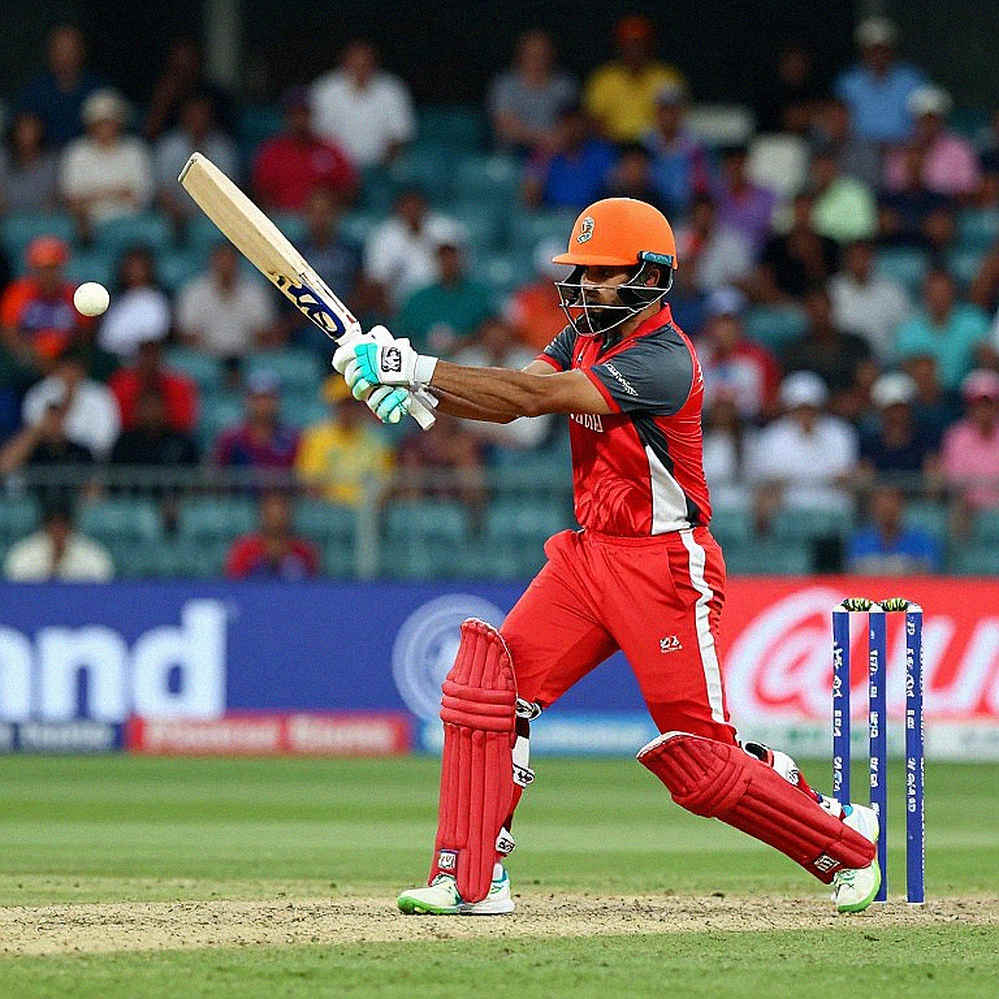
Jack Clayton made 82. A stand of 67 with Hayden Kerr (33) and one of 97 with Jimmy Peirson formed the spine of the innings. In Clayton's own words, the ball did something all day — meaning the pitch held early-season moisture he did not state directly, but his performance reveals. Peirson finished unbeaten on 65, and this match is his 100th — the quiet contribution of an experienced leader. With the tail to come, that unbeaten innings carries extra value.
The counterattack belonged to Hugh Weibgen: 35 off just 40 balls, a strike rate near 87.5, aggressive for red ball. A four off the first ball, a straight six off Paris in the fifth over. Under cloud cover, this was a deliberate counter-punch against the new ball — high reward, higher risk. In the end, the risk took him out, caught at slip.
For Western Australia, the story is Kieran Elliott. The seamer, who moved states from Tasmania, took two wickets in his WACA red-ball debut — 2-43. He bowled Burdon with a vicious in-ducker, then nicked off Weibgen. Two wickets in nine balls is a notable signal, but it is a two-wicket sample, not a season projection. That interstate move itself shows the real strength of Australia's domestic system — pace talent flows from one state to another, and that flow is the Test pipeline.
Spin's role mattered here. Offspinner Corey Rocchiccioli took 2-85 on a seamer-friendly day. He broke both partnerships — heavy-lifting wickets worth more than ordinary ones. In the first-class structure, a control bowler's work never shows in the raw numbers, but it shows in the moment a partnership breaks. The run rate was about 3.5 per over — bowler-friendly, but not unplayable. That tells us the pitch was not poor; the ball was simply doing something.
A brief note on law and decision. First-class rain rules are plain: lost overs are cut, and no result means a draw. There is no DLS. Every lost over directly reduces the chance of a result. Three stoppages mean the day belongs not only to Queensland but to the weather. And Burdon's shouldered-arms dismissal reminds us that on a lively WACA deck, batter safety and decision-making are both tested — this is a known hazard, not an accident.
Now the hard question. We readily say Queensland collapsed and then fought back. But that is the language of emotion, not of law. The truth is that whether this collapse was a structural batting failure cannot be proven from one day's data. A seaming WACA pitch can both mask and exaggerate a batter's weakness. The Clayton-Peirson repair suggests the problem was conditions-driven, not systemic.
Another trap — stretching Elliott's two wickets and Weibgen's 35 to a season scale. The real discipline of first-class cricket is sample discipline. Here my referee's eye says: in Russia I learned that the freeze-frame is a legal witness — but a freeze-frame is only a witness when you know which frame you are watching and which you are discarding. Two wickets in one session is not proof of a season. Likewise, beside Clayton's 82, his own frustration — that three figures would have been nice — signals a conversion pattern, but not yet a proven weakness.
Project Restart taught me that emergency rules still demand a paper trail. So here: every rain stoppage should be logged, because when someone later asks why there was no result, the answer should sit in the record, not in feeling. A referee's eye that never leaves the field is today reading the forecast alongside the scorecard.
Tomorrow's morning session is the centre of this match. Peirson is unbeaten with the tail; a push past 330 puts Queensland ahead. But the first question is the weather, and the next is Clayton's conversion — can he turn 82 into 100, or is this his pattern? I trust the sequence more than the angle, and the law more than the roar. Every first-class day ends not as a scoreline but as an open question. Day One at the WACA left us exactly that.